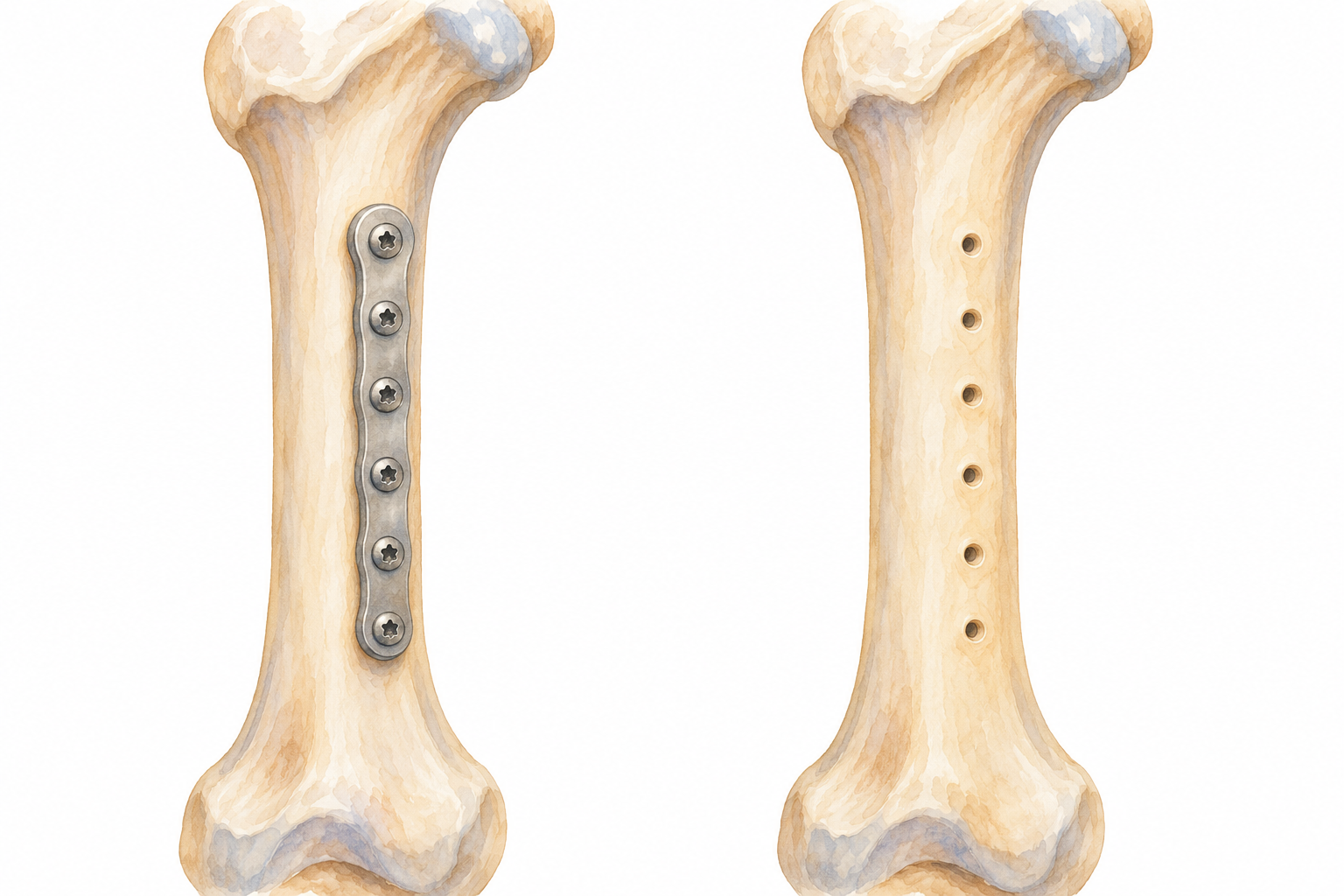
Usually, no. A bone plate and its screws can often stay in place after a dog or cat’s fracture has healed, as long as the implant is not causing problems. A plate visible on a follow-up X-ray does not, by itself, mean that another operation is needed. The decision depends on why removal is being considered, whether the bone has healed, and the risks of another surgery.
Why are bone plates left in place?
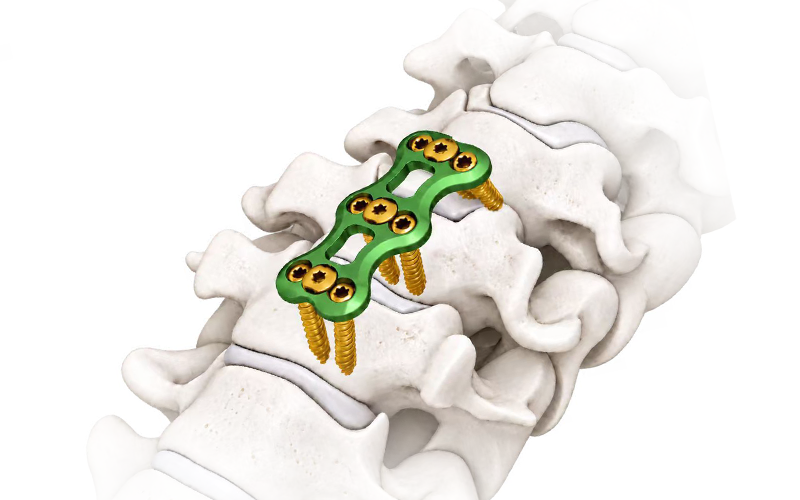
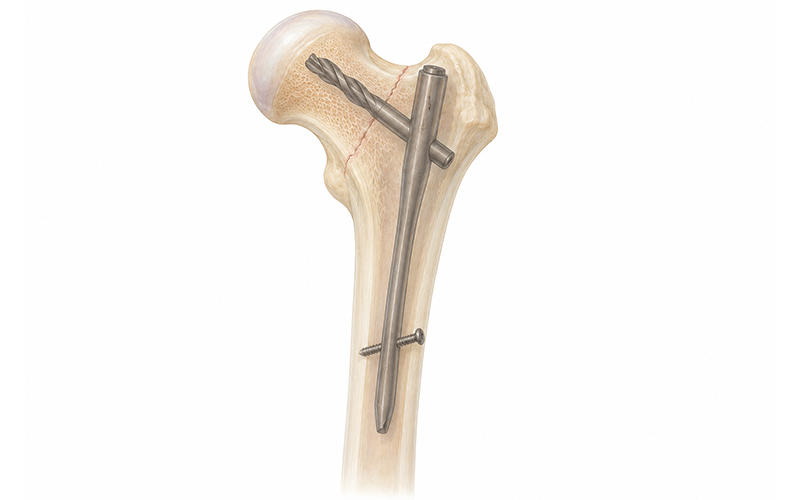
A bone plate holds the fracture fragments steady while the bone heals. Once the bone has joined, a comfortable, stable implant can often remain in place. Removing it would mean another anesthetic, incision, and recovery period. For a pet with no symptoms related to the plate, there may be little benefit to taking it out.
When might a veterinarian recommend removing a bone plate?
| What the veterinarian finds |
Why it matters |
| Persistent infection involving the implant |
Treatment may need to address both the infection and the hardware. The plan depends in part on whether the bone still needs the plate for stability. |
| Pain or irritation linked to the plate |
A plate can irritate the tissue over it. The veterinarian checks for other causes of pain before attributing it to the hardware. |
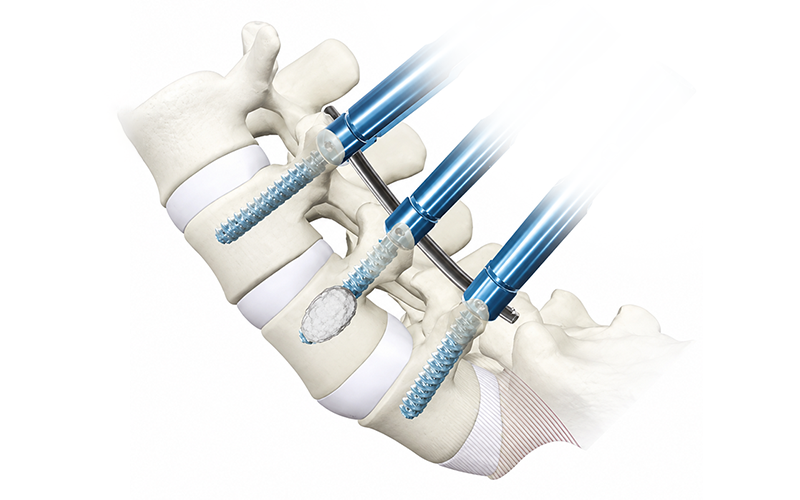
| Loose or broken screws, a damaged plate, or exposed hardware |
These findings need reassessment. If the bone has not healed, it may need a new form of fixation rather than removal alone. |
A new limp does not automatically mean the plate is the problem. Pain can also come from a nearby joint, a new injury, or a fracture that has not fully healed. An examination and updated X-rays can help narrow down the cause.
How does the vet know when a plate can come out?
The veterinarian reviews the original repair, examines the limb, and checks imaging for evidence that the bone has joined and that the hardware is stable. Walking comfortably is a good sign, but it does not establish that the bone is ready to support normal activity without fixation.
There is no standard removal date for every dog or cat. In a planned removal, the surgeon generally wants evidence of healing first. If an implant is failing or infected before healing is complete, the vet may discuss earlier intervention and how to keep the bone stable.
What happens after plate removal?
Your pet may need temporary activity restrictions and another follow-up. The screw holes remain in the bone immediately after removal and take time to fill in, so the surgeon may limit running, jumping, and rough play while the bone recovers. Follow the discharge instructions for your pet’s specific repair.
When should you call the vet?
Contact your veterinary team if your pet develops a new or worsening limp, increasing pain or swelling, drainage, or a wound that reopens over the plate. If your pet suddenly cannot bear weight after a fall or the implant is visible through the skin, seek prompt veterinary assessment.
Frequently asked questions
Is it normal to feel a plate under the skin?
A plate can be noticeable where there is little tissue covering the bone. Tell your veterinarian if the area becomes painful or if the skin changes.
Does every loose screw mean surgery?
The finding needs veterinary review. The decision depends on whether the fracture has healed, how stable the repair is, and whether the screw is causing a problem.
Who should assess whether the plate needs removal?
Start with the veterinarian or surgeon who repaired the fracture if available. If another clinic evaluates your pet, bring the original surgery records and any follow-up X-rays you have.
For veterinary professionals and distributors, explore the Davin Med veterinary orthopedic product category for fracture fixation implants and surgical instruments.
This article is for general education. Your pet’s veterinarian can assess whether the plate should stay in place.
Clinical reference: Indications for the removal of implants after fracture healing: A comparison between human and veterinary medicine