A broken bone in a dog or cat is treated by keeping the injured bone stable while it heals. Some fractures can be managed with a veterinary splint or cast. Others need surgery with plates and screws, pins, or an external frame. The right treatment depends on where the bone broke, how far the fragments moved, and whether the skin and surrounding tissues were injured.
What should you do if you think your pet has a broken bone?

Sudden limping, refusing to put weight on a leg, swelling, or a limb that sits at an unusual angle can suggest a fracture. A pet may still walk with some fractures, and a limp alone cannot tell you whether a bone is broken.
Call your veterinarian or an emergency veterinary hospital promptly. Keep your pet as still as possible during transport, and do not try to straighten the limb, push exposed bone back in, or apply a homemade splint unless the veterinary team directs you. Ask the clinic how to move your pet safely. After a car accident or a major fall, breathing trouble, collapse, heavy bleeding, or exposed bone calls for immediate emergency care. Do not give human pain medicine unless a veterinarian specifically tells you to. [1, 2]
How do veterinarians diagnose a fracture?
The veterinarian checks for pain, swelling, wounds, and other injuries. After major trauma, stabilizing breathing and circulation can take priority over repairing the bone. Once the pet is stable, X-rays usually show where the bone broke, whether the fragments are displaced, and whether the fracture extends into a joint. More complex injuries may need additional imaging. [1]
Two fractures in the same bone can need different care. A straight break with fragments still lined up presents a different problem from a break with several pieces or a wound that communicates with the fracture. The veterinarian also considers the pet’s age, size, and overall health. [1]
Does every dog or cat fracture need surgery?
No. The key question is whether the bone can be held in an acceptable position as it heals. These are common approaches: [1]
| Treatment |
How it works |
When it may be considered |
| Splint or cast |
Supports the injured limb from the outside. |
Selected fractures where external support can maintain alignment. |
| Internal fixation |
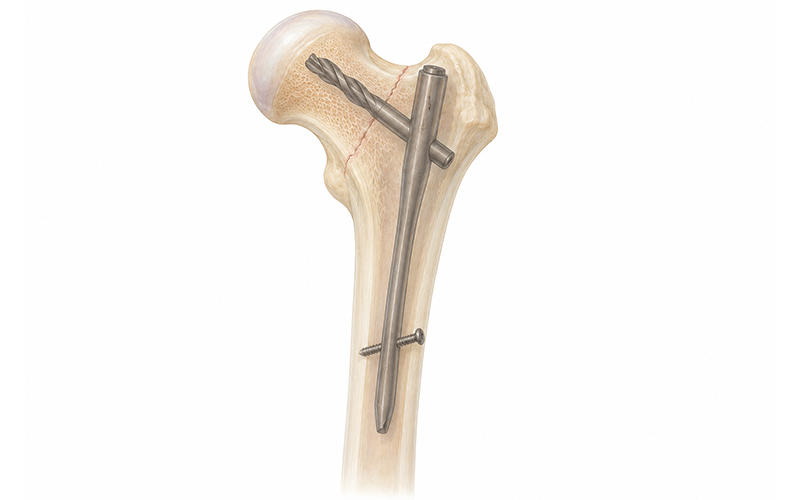
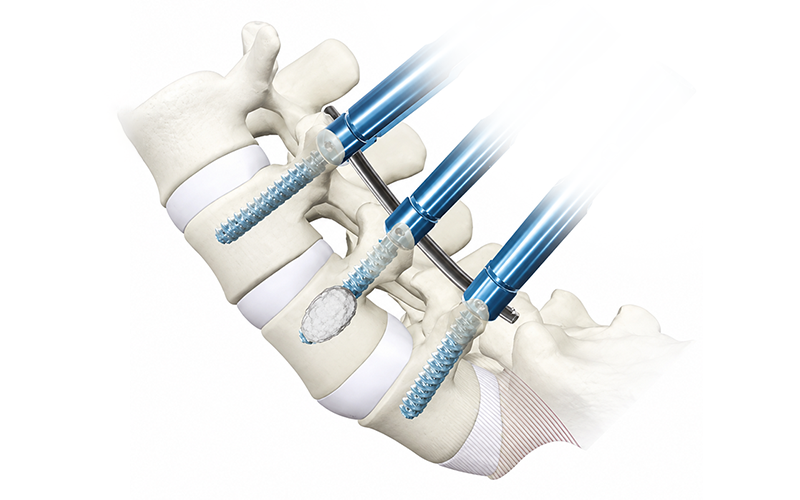
Plates and screws, pins, or other implants hold bone fragments in position beneath the skin. |
Fractures that need more stability or closer alignment than a cast can provide. |
| External skeletal fixation |
Pins placed in the bone attach to a frame outside the limb. |
Selected fractures, including some cases where access to an associated wound is useful. |
An open fracture is a break that communicates with a skin wound, even when bone is not visible. Along with stabilizing the bone, the veterinary team must address contamination and damaged tissue. [1]
How do veterinary bone plates and screws work?
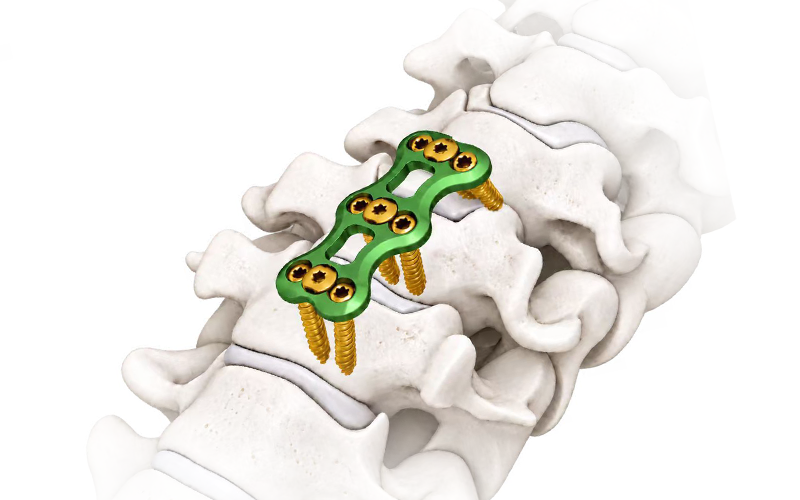
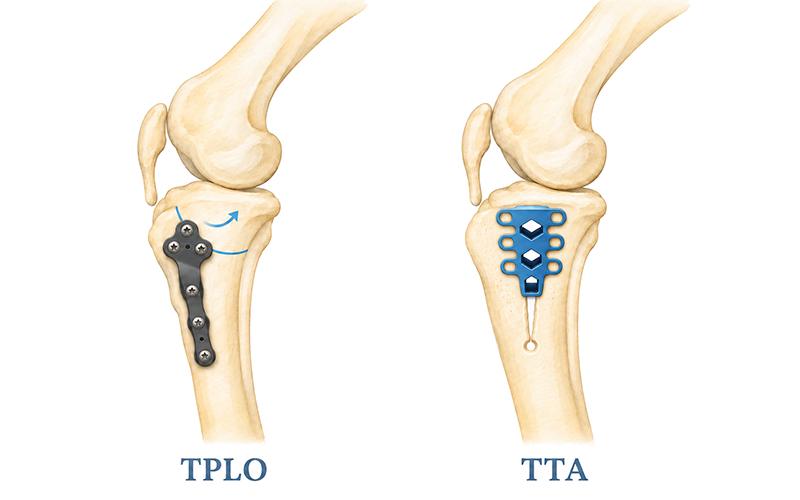
A bone plate sits along the outside of the bone and is secured with screws. It holds the fragments in alignment and limits movement at the fracture site while healing takes place. The same principle applies to dogs and cats, but the implant and method depend on the bone, the fracture pattern, and the individual patient. A plate can provide stability immediately; the bone still needs time to heal. [1]
How long does a broken bone take to heal in a dog or cat?
There is no single recovery timeline. Age, fracture location, the severity of the injury, and complications can all affect healing. A pet may start using the leg before the bone is ready for running, jumping, or rough play. Follow-up examinations and X-rays help the veterinarian decide when to increase activity. [1]
Ask the clinic what movement is allowed, when the next check is due, and what changes to report. A wet or slipping bandage, swollen toes, discharge, or a sudden increase in pain warrants a call to the veterinary team. [1]
For veterinary professionals and distributors, the Davin Med veterinary orthopedic collection includes implants and instruments for veterinary orthopedic care. Your veterinarian can explain which treatment options are appropriate for your pet.
References
- Merck Veterinary Manual — Bone Fractures in Dogs and Cats
- American Veterinary Medical Association — Pet First Aid