ACL reconstruction is an operation that replaces a damaged anterior cruciate ligament with a graft to help restore knee stability. It is commonly performed with arthroscopic assistance, allowing the surgeon to assess and work inside the joint using a camera and specialized instruments.[1]
The operation is one part of treatment. Choosing an appropriate approach, preparing the knee and completing rehabilitation all matter. Understanding the difference between ligament reconstruction, graft fixation and recovery makes the subject easier to follow.
What Does the ACL Do?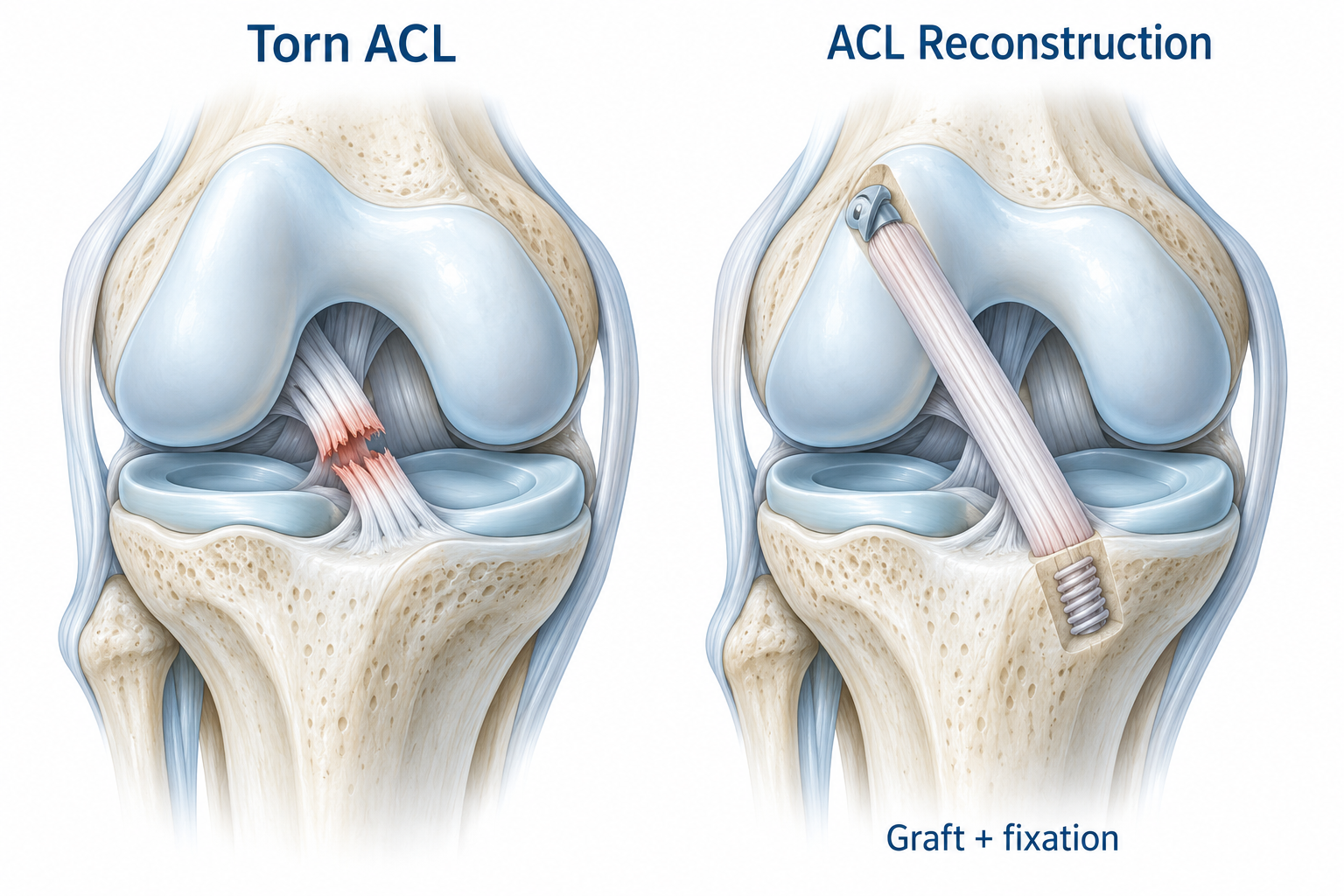
The anterior cruciate ligament connects the thighbone, or femur, to the shinbone, or tibia. It contributes to stability as the knee moves, particularly during changes of direction.
When the ligament is torn, the knee may feel unreliable or give way during activity. An ACL injury can also occur alongside damage to the meniscus or other knee structures, so assessment considers the whole joint rather than the ligament alone.[1]
Does Every ACL Tear Require Surgery?
No. Treatment depends on how the knee functions and what the person needs it to do.
A clinician considers symptoms of instability, associated injuries, activity goals and the demands of work or sport. Some people can manage with structured rehabilitation and activity adjustments. Others may consider reconstruction when instability interferes with their goals or when the wider injury pattern makes surgery appropriate.[2]
A scan result is part of this discussion, not a complete treatment plan. Someone hoping to return to a pivoting sport may have different requirements from someone whose usual activities place fewer rotational demands on the knee.
Children and adolescents who are still growing require specialist consideration because open growth plates can affect treatment planning.[2]
Reconstruction and Repair Are Different
Although people sometimes use “ACL repair” to describe any ACL operation, reconstruction and repair are different procedures.
Reconstruction uses replacement graft tissue. Repair aims to preserve and reattach suitable native ligament tissue in selected cases. Eligibility for repair depends on the injury and clinical assessment; it is not an option that can be selected from the procedure name alone.[2]
For patients, a useful question is: “Which procedure are you recommending for my injury, and why?”
What Is an ACL Graft?
A graft is the tissue used to create the reconstructed ligament.
| Graft term |
Meaning |
| Autograft |
Tissue taken from the patient |
| Allograft |
Tissue obtained from a donor |
Autograft sources can include hamstring, patellar or quadriceps tendon. The choice depends on patient factors, activity demands and the proposed surgical approach. There is no single graft that is best for every patient.[3]
Graft selection should be discussed with the treating surgeon, including the implications of the harvest site and the suitability of donor tissue. A comparison based only on a graft’s name misses those individual considerations.
What Happens During Arthroscopic ACL Reconstruction?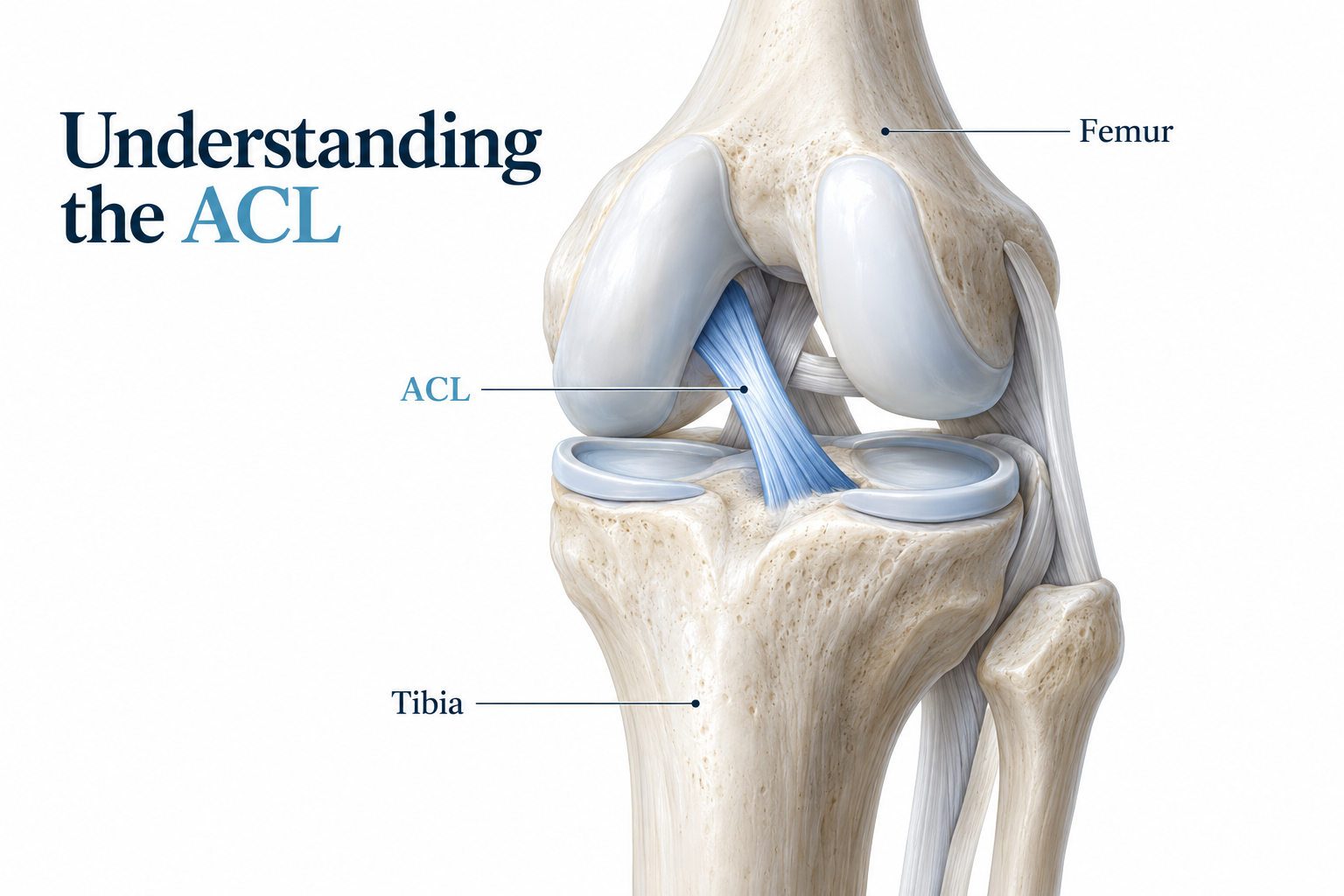
Arthroscopy uses a small camera to view the inside of the knee. In ACL reconstruction, the surgeon prepares and positions a graft and secures it to bone. Bone tunnels or sockets provide locations for the graft, while fixation devices hold it in place during healing.[1,4]
This description explains the basic concept, not a surgical technique. Tunnel preparation, graft handling and fixation vary with the selected approach.
A useful distinction is:
The graft replaces the ligament’s role; fixation devices secure the graft; instruments help the surgical team carry out the planned procedure.
Which Instruments Are Used in ACL Reconstruction?
An ACL reconstruction instrument set brings together tools for specified parts of the procedure. Its contents depend on the technique and product configuration.
Typical functional categories to discuss with a supplier include:
| Instrument category |
Purpose within the planned workflow |
| Graft preparation and measurement tools |
Support preparation and sizing of the selected graft |
| Guides and guide pins |
Support the positioning tasks specified by the system |
| Drills or reamers |
Prepare the planned bone tunnels or sockets |
| Passing instruments |
Assist with passage of sutures or the graft |
| Fixation-related instruments |
Work with the selected fixation device |
These categories are not a universal packing list. A set may require additional arthroscopic equipment, powered instruments or separately supplied implants.
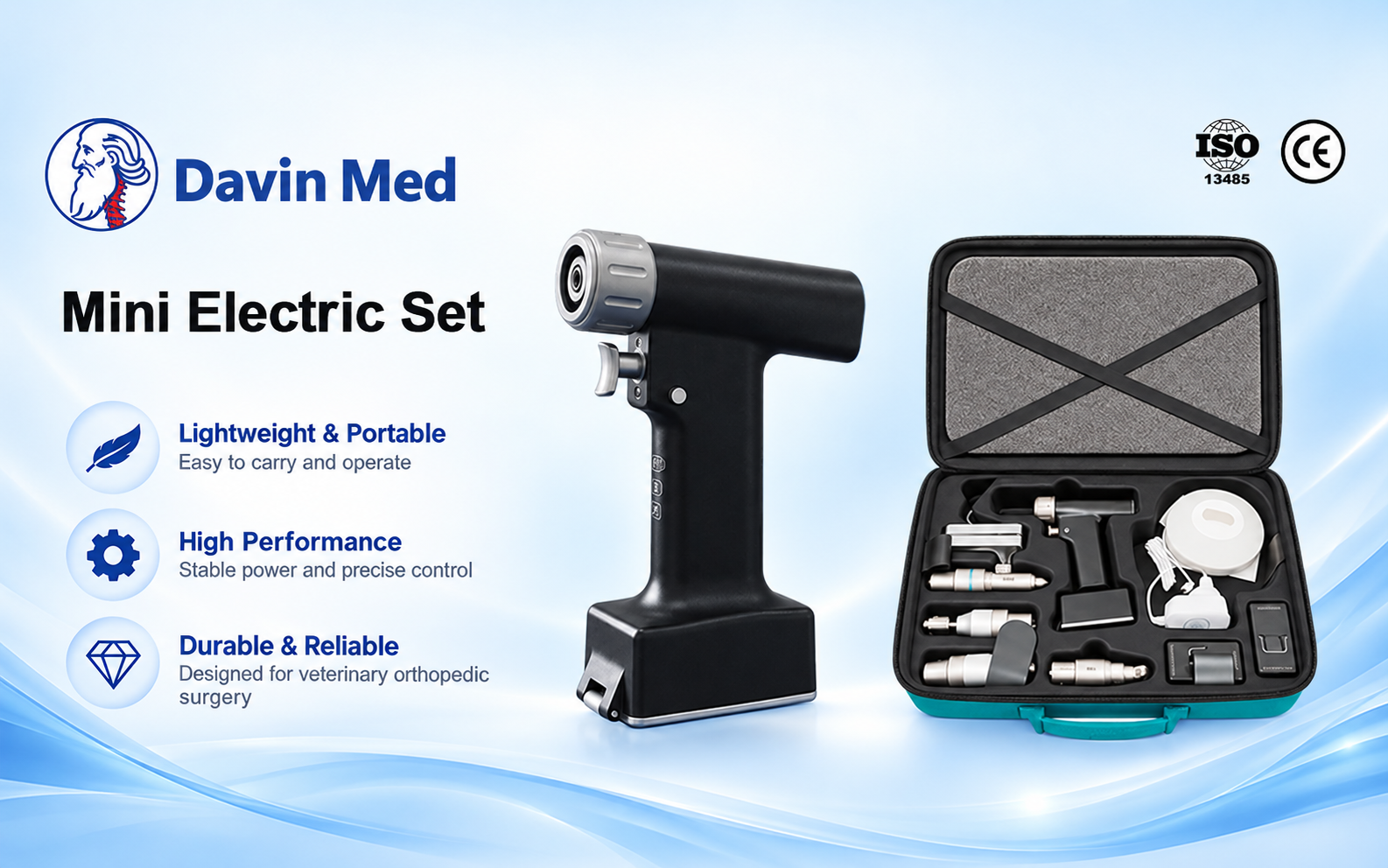
For hospitals and distributors reviewing equipment, the Davin Med ACL Reconstruction Instrument Set provides a starting point for a product-specific enquiry. Request the current instrument list and confirm the intended workflow, size coverage and compatible fixation components.
The equipment discussion should follow the clinician’s chosen approach; it does not determine which operation a patient needs.
How Long Does ACL Reconstruction Recovery Take?
Recovery is measured in months, and different activities become possible at different stages. Managing everyday tasks is not the same milestone as returning to competitive sport.
NHS guidance notes that returning to sport can take up to a year. The actual timeline varies with individual recovery and the treatment performed.[5]
A broad way to understand rehabilitation is:
| Rehabilitation focus |
What the team works toward |
| Early recovery |
Managing symptoms and restoring movement within the prescribed plan |
| Strength rebuilding |
Recovering muscle capacity and control |
| Functional progression |
Preparing for more demanding daily and recreational activities |
| Return-to-sport preparation |
Assessing readiness for sport-specific demands |
Progression should follow the rehabilitation team’s criteria, not an online calendar. Physiotherapy addresses movement, strength and control, and associated procedures can change the plan.[6]
What Are the Risks and Limitations?
Possible complications include infection, blood clots, knee stiffness, persistent pain and graft problems. Reconstruction may not resolve every symptom or restore every person to their previous activity level.[1]
Ask the treating team about risks relevant to the injury, the proposed graft and any additional procedures. Rehabilitation and follow-up remain necessary after surgery.
Severe or worsening symptoms after an operation should be assessed through the care team’s urgent advice pathway.
Questions Worth Asking Before Surgery
A consultation can be easier to follow when the questions are specific:
- What is causing the knee instability?
- Are there associated meniscus, cartilage or ligament injuries?
- What are the available nonsurgical and surgical options?
- Why is this graft or procedure being recommended?
- Will another knee procedure be performed at the same time?
- How will progress toward work and sport be assessed?
For a hospital equipment enquiry, the questions are different: which instruments, sizes, interfaces and fixation components are required? Keeping these two discussions clear helps both patients and procurement teams.
Frequently Asked Questions
Is ACL reconstruction the same as knee replacement?
No. ACL reconstruction concerns a ligament. Knee replacement is a different operation involving joint surfaces.
Is ACL reconstruction always arthroscopic?
Arthroscopic assistance is commonly used, but the precise approach depends on the procedure and patient.[4]
Is an ACL instrument set the same as an implant set?
No. Instruments are tools used during surgery. Fixation implants are separate components unless expressly included in the quotation.
Can I return to sport when the pain has gone?
Reduced pain alone does not establish readiness. Return-to-sport decisions should follow assessment by the treating team.[6]
Is one graft type suitable for everyone?
No. Graft selection is individualized and should be discussed with the surgeon.[3]
Does every ACL tear need immediate reconstruction?
No. Both the need for surgery and its timing require clinical assessment.[2]
What should buyers confirm with Davin Med?
Confirm the exact ACL reconstruction instrument set, supplied components, compatible references, processing instructions and whether fixation implants are included.
Understanding the Procedure Before Comparing Equipment
ACL reconstruction is intended to help restore stability using a graft, supported by fixation and a rehabilitation plan. Knowing how those elements differ makes conversations about knee ligament surgery more useful.
For professional equipment enquiries, explore the Davin Med ACL Reconstruction Instrument Set and request the current configuration for the intended surgical workflow.
This article provides general education. Decisions about an ACL injury, surgery and rehabilitation require assessment by a qualified healthcare professional.
References
- MedlinePlus: ACL reconstruction
- Hospital for Special Surgery: ACL surgery
- American Academy of Orthopaedic Surgeons: ACL injuries patient summary
- NHS: How ACL surgery is done
- NHS: Recovering from ACL surgery
- Cambridge University Hospitals: ACL reconstruction rehabilitation